DOE for Logistics and Distribution Management

Integrating Design of Experiments (DOE) into logistics and distribution management offers a groundbreaking approach to optimizing supply chain processes. DOE, a systematic method used to determine the relationship between factors affecting a process and its output, is especially relevant in logistics and distribution operations. This method enables businesses to identify the most efficient ways [...]

By |2026-01-08T00:24:17+00:00January 23rd, 2024|Categories: Design of Experiments, Test Optimization|0 Comments

Fractional Factorial Designs in Operational Settings

Fractional factorial designs are pivotal in the operational Design of Experiments (DOE). They offer a streamlined approach to exploring multiple factors and their interactions with fewer runs than full factorial designs. These designs balance the need for efficiency with the complexity of managing potential confounding effects, guided by the principle of design resolution, which [...]

By |2026-01-08T00:23:58+00:00January 22nd, 2024|Categories: Design of Experiments, Test Optimization|0 Comments

DOE for Product Dev and Innovation

Design of Experiments (DOE) is an essential tool for professionals seeking to enhance efficiency and foster breakthroughs. DOE is a systematic approach that helps understand the relationship between various factors in a process and the outcomes they produce. This blog about DOE will highlight its critical role in streamlining the development process and unlocking [...]

By |2026-01-08T00:23:45+00:00January 21st, 2024|Categories: Design of Experiments, Test Optimization|0 Comments

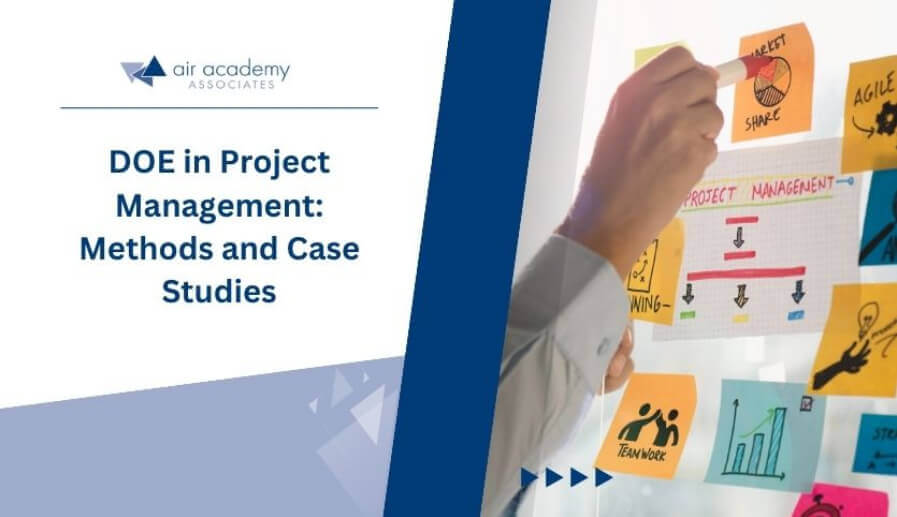
DOE in Project Management: Methods and Case Studies

The Design of Experiments (DOE) is a systematic approach unique in the dynamic field of project management for improving decision-making using statistical analysis. With DOE, project managers can assess several variables simultaneously to see how they affect project results. This methodology enhances the efficacy and efficiency of project processes and offers a data-driven foundation [...]

By |2026-01-08T00:23:24+00:00January 20th, 2024|Categories: Design of Experiments, Test Optimization|0 Comments

Applying DOE in Service Operations Management

Service-based operations, from healthcare to hospitality, face the constant challenge of improving efficiency and customer satisfaction. These sectors, which focus on delivering intangible services rather than physical products, require innovative strategies to enhance performance and meet customers' evolving expectations. The Design of Experiments (DOE) offers a powerful solution, providing a structured approach to identifying [...]

By |2026-01-08T00:22:55+00:00January 19th, 2024|Categories: Design of Experiments, Test Optimization|0 Comments

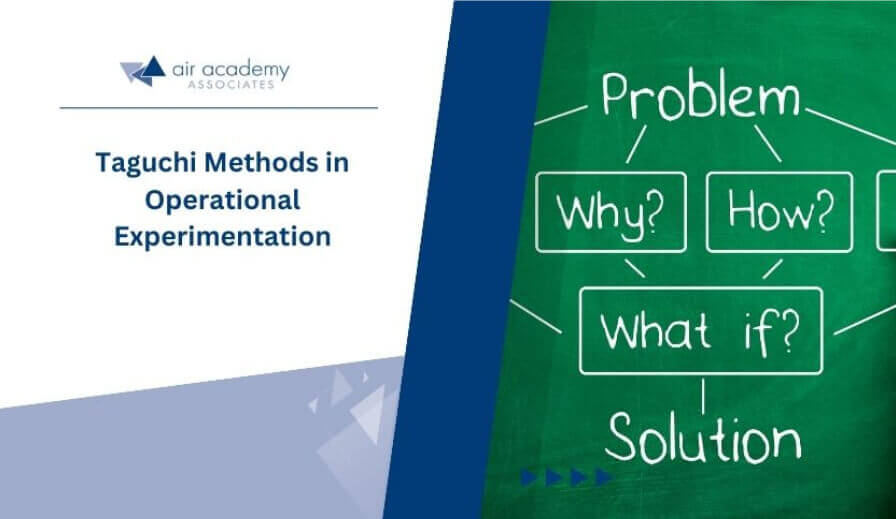
Taguchi Methods in Operational Experimentation

The Taguchi Method is a statistical approach within the Design of Experiments (DOE) framework that aims to improve product quality and process performance through robust design and the minimization of variation. Distinguished from traditional DOE by its focus on optimizing operational parameters to make outcomes less sensitive to external noise factors, the Taguchi Method [...]

By |2026-01-08T00:22:48+00:00January 18th, 2024|Categories: Design of Experiments, Test Optimization|0 Comments

The Role of Mentoring

Mentoring is pivotal in developing competent Lean Six Sigma Black Belts, providing motivational and strategic technical program leadership. It is essential for senior management to mentor these individuals, as they can serve as internal consultants. Effective mentoring enhances their expertise and customer benefits by providing strategic technical program leadership, motivational leadership, and Lean Six [...]

By |2026-01-08T00:22:11+00:00January 16th, 2024|Categories: Lean Six Sigma|0 Comments

Continuous Learning

The journey of a Black Belt doesn't end with certification. The true essence of a Black Belt lies in continuous learning and refining one's skills as an online Black Belt graduate. Staying updated with the latest trends, methodologies, and tools in the field is crucial. This post aims to provide a comprehensive list of [...]

By |2026-01-08T00:22:04+00:00January 15th, 2024|Categories: Lean Six Sigma|0 Comments

Managing Change and Stakeholders

In leading process improvement initiatives as a Six Sigma Black Belt, effective change management is as crucial as technical tools and statistical analytics. Implementing significant changes across people, processes, and technology demands meticulous planning, communication, and stakeholder management to ensure adoption and maintain results. This guide will share insights on managing change and collaborating [...]

By |2026-01-08T00:21:55+00:00January 14th, 2024|Categories: Lean Six Sigma|0 Comments

Incorporating Statistical Analysis

Statistical analysis is a critical component of black belt training, pivotal in its success. These exercises help develop skills in leadership and business strategy. By incorporating statistical analysis techniques, individuals undergoing Six Sigma training can enhance their problem-solving skills and achieve project management goals more effectively. This learning experience offers numerous benefits. Understanding statistical [...]

By |2026-01-08T00:22:01+00:00January 13th, 2024|Categories: Lean Six Sigma|0 Comments
Go to Top